Home › Articles
Probiotics for Constipation and Bloating: What the Evidence Says About Strains
By the Gut Label Check team. Updated October 16, 2026. 4 min read
Disclosure: some pages on this site contain affiliate links. This article is general information, not medical advice.
Probiotics are the most popular gut supplement, and the label usually promises billions of “good bacteria”. Whether they help constipation or bloating depends on which bacteria, how many, and what the trials actually found.
The short answer
- Constipation: some strains helped in trials, others didn’t. The 2025 British Dietetic Association (BDA) guideline supports trying probiotics but names no specific strain.
- Bloating and IBS: US gastroenterology guidelines don’t recommend routine probiotic use for IBS symptoms. UK guidance allows a trial.
- If you try one: pick a product with a full strain name and CFU guaranteed through expiry, and give it about 4 weeks.
Ask a doctor before taking probiotics if you: have a weakened immune system, a serious illness or a central venous line, or are buying for a premature infant. And don’t use probiotics to self-treat warning signs such as blood in the stool, weight loss or persistent pain.
Why the strain matters
A probiotic’s full name has three parts: genus, species and strain. For example, in Lactobacillus reuteri DSM 17938, “DSM 17938” is the strain. Trial results belong to a specific strain. A different strain of the same species may do nothing, so a label that only says “Lactobacillus acidophilus” can’t be matched to any study.
Probiotics for constipation: what trials found
- A 2024 meta-analysis of 10 randomized trials found an overall benefit of probiotics over placebo for constipation. However, the results varied enormously between studies, and the authors called for larger, more rigorous trials.
- Within that review, positive trials included Bifidobacterium longum BB536 (bowel regularity in older adults), Lactiplantibacillus plantarum P9 and Lactobacillus reuteri (more frequent bowel movements). A separate 2018 randomized trial found L. reuteri DSM 17938 improved symptoms in functional constipation.
- Not every strain works. A 2024 randomized trial of 229 adults found that Bifidobacterium lactis HN019 did no better than placebo at increasing complete bowel movements.
- The BDA guideline reviewed this evidence and gave probiotics a positive overall recommendation. Because no single probiotic stood out when the data were pooled, it advises people who want to try one to pick a product and use it for at least 4 weeks to see whether it helps.
Probiotics for bloating and IBS
- The American Gastroenterological Association (2020) found the evidence insufficient for IBS and advised using probiotics for IBS only in the context of a clinical trial.
- The American College of Gastroenterology (2021) suggests against probiotics for global IBS symptoms. The recommendation is conditional, based on very low-quality evidence, because trial results have been inconsistent.
- The British Society of Gastroenterology (2021) is more open: probiotics can be tried for IBS, but there isn’t enough data to recommend a specific strain.
So for bloating, a probiotic is a reasonable experiment at best, not a proven treatment. For other approaches, see our guide to supplements for bloating and constipation.
How to read a probiotic label
| Check | Good sign | Warning sign |
|---|
| Strain | Full name with a strain code, e.g. L. reuteri DSM 17938 | Species only, e.g. “L. acidophilus” |
| CFU count | Guaranteed “through expiration” or “at expiry” | Counted “at time of manufacture”, which is before storage losses |
| Match to your problem | The strain has been tested for constipation or IBS | “Supports gut health” with no study named |
| Storage | Clear storage instructions | None |
What the gut capsules we checked contain
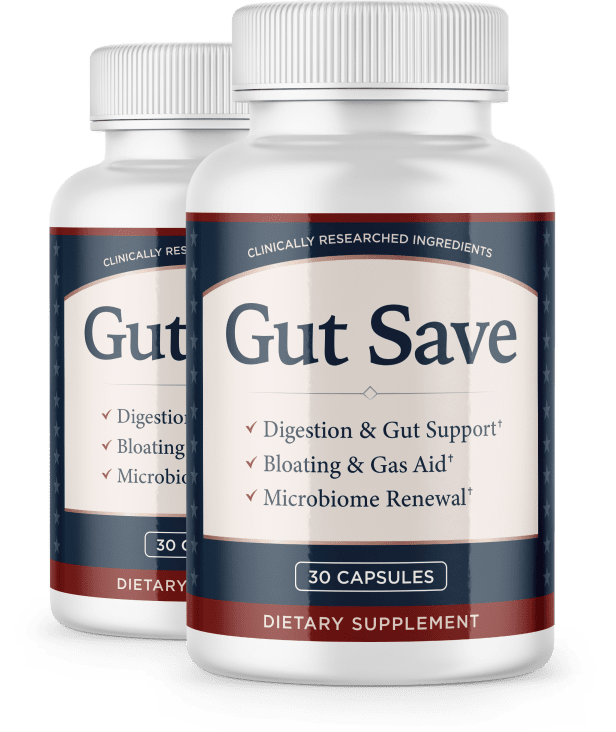
- Gut Save lists seven bacterial species in two blends. Only one has a full strain code (B. lactis BL-04). Its 1.25 billion CFU count is “at the time of manufacture”, and the second blend has no CFU at all. It lists L. reuteri without a strain code, so we can’t tell if it is the DSM 17938 strain from the constipation trial.
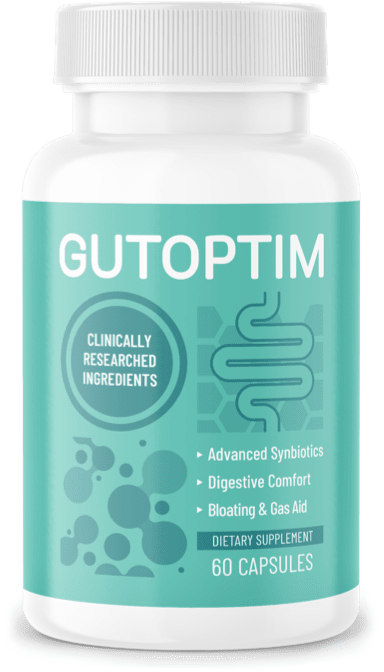
- GutOptim lists Lactobacillus acidophilus with no strain code and no CFU count.
Details: Gut Save vs DigestiStart vs GutOptim.
Questions people ask
Do probiotics help with constipation?
Some people may benefit, and some strains have positive trials. Pooled results are inconsistent, so treat a probiotic as a 4-week experiment.
What is the best probiotic for bloating?
No single strain is proven. US guidelines don’t recommend routine probiotics for IBS symptoms. If you try one, choose a named strain with CFU guaranteed through expiry.
How long should I try a probiotic?
About 4 weeks, as the BDA guideline suggests. If nothing changes, stop and save your money.
Can probiotics make bloating worse?
Some people notice more gas or bloating in the first days. It usually settles; if it doesn’t, stop.
Gut supplements we checked
GutOptim
Fiber, clay, aloe and one probiotic in a 1.5 g blend
Serving2 capsules a day
Cost per day$1.63–$2.30
Every dose shownNo
Full ingredient list, but the whole blend is a fraction of the fiber doses used in studies.
Check price on the official site
Read the label check
Gut Save
Fish collagen, herbs and probiotics, 500 mg with every dose listed
Serving1 capsule a day
Cost per day$1.63–$2.63
Every dose shownYes
The most open label of the three, with small amounts of each ingredient.
Check price on the official site
Read the label check
DigestiStart
11 traditional Chinese herbs in a 500 mg blend
Serving1 capsule a day
Cost per day$1.63–$2.63
Every dose shownNo
A herbal tonic blend, about 45 mg per herb, with mostly lab and animal studies behind it.
Check price on the official site
Read the label check
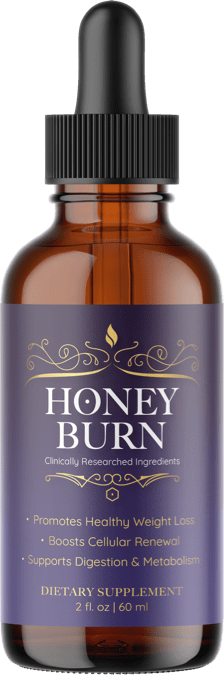
HoneyBurn
Honey, bee products, herbs and berberine in a 550 mg blend
Serving2 ml liquid a day
Cost per day$1.63–$2.30
Every dose shownNo
Berberine is listed last, so a serving holds about 4 mg of it at most.
Check price on the official site
Read the label check
Sources
- Garzon Mora N., Jaramillo A.P. Effectiveness of Probiotics in Patients With Constipation: A Systematic Review and Meta-Analysis. Cureus, 2024;16(1):e52013. PMC10854359
- Riezzo G. et al. Randomised double blind placebo controlled trial on Lactobacillus reuteri DSM 17938: improvement in symptoms and bowel habit in functional constipation. Beneficial Microbes, 2018. doi:10.3920/bm2017.0049
- Randomized clinical trial of Bifidobacterium animalis subsp. lactis HN019 in functional constipation (229 participants). JAMA Network Open, 2024. jamanetwork.com
- Dimidi E. et al. British Dietetic Association guidelines for the dietary management of chronic constipation in adults, 2025. PubMed 41081513; summary of the probiotic findings: gutmicrobiotaforhealth.com
- Su G.L. et al. AGA Clinical Practice Guidelines on the Role of Probiotics in the Management of Gastrointestinal Disorders. Gastroenterology, 2020. PubMed 32531291
- Lacy B.E. et al. ACG Clinical Guideline: Management of Irritable Bowel Syndrome. American Journal of Gastroenterology, 2021.
- NIH Office of Dietary Supplements. Probiotics: Fact Sheet for Health Professionals. ods.od.nih.gov