Home › Articles
Supplements for Bloating and Constipation: What the Evidence Supports
By the Gut Label Check team. Updated October 16, 2026. 3 min read
Disclosure: some pages on this site contain affiliate links. This article is general information, not medical advice.
See a doctor before trying any supplement if you have:
- blood in your stool, or black, tarry stool;
- weight loss you can’t explain;
- severe or persistent abdominal pain, vomiting or fever;
- a new, lasting change in bowel habits, especially after age 45;
- anemia, symptoms that wake you at night, or a family history of colon cancer or inflammatory bowel disease.
Supplements can mask symptoms that need a diagnosis.
Fiber: the best-supported option
For chronic constipation, the 2023 joint guideline from the American Gastroenterological Association and the American College of Gastroenterology gives fiber supplements a conditional recommendation. That is a cautious “yes”: there is evidence of benefit, but it is not strong.
Psyllium husk is the most studied fiber. Trials and clinical guidance typically use about 7–10 g per day or more, taken with plenty of water. The usual advice:
- Start low and increase over one to two weeks. Gas and bloating are common at first.
- Drink enough water with each dose. Swelling fibers such as psyllium and glucomannan can cause choking if swallowed dry.
- Take prescription medicines a couple of hours apart from fiber, because fiber can affect how some drugs are absorbed.
What this means for capsule products: the “gut” capsules we checked contain a total of 0.5–1.5 g of a mixed blend a day. That is far below the fiber doses used in research, even if every milligram were psyllium.
Probiotics: it depends on the strain
Probiotic research on constipation is mixed. A 2024 meta-analysis of 10 trials found an overall benefit over placebo, but the results varied enormously between studies.
Some specific strains helped, for example Bifidobacterium longum BB536, Lactiplantibacillus plantarum P9 and Lactobacillus reuteri DSM 17938. Others, such as B. lactis HN019 in one trial, showed no benefit.
The lesson: a species name alone (“Lactobacillus acidophilus”) tells you almost nothing. When you shop for a probiotic, look for:
- the full strain designation (letters and numbers after the species name);
- a CFU count guaranteed through the expiration date, not only “at time of manufacture”;
- a strain that has actually been studied for your problem.
How to read a gut supplement label in 60 seconds
| Check | Good sign | Warning sign |
|---|
| Supplement Facts panel | Published on the website before you buy | Only shown in a video, or not at all |
| Doses | An amount for each ingredient | One “proprietary blend” total |
| Total active amount | Close to the doses used in studies | Many ingredients sharing a few hundred milligrams |
| Probiotics | Strain ID plus CFU at expiry | Species name only |
| Testing | Third-party seal (e.g. USP, NSF) or a certificate of analysis on request | Only “made in an FDA-registered facility” (registration is not approval) |
| Warnings | Water and choking warnings for swelling fibers, allergens listed | No warnings at all |
Marketing red flags
- One hidden cause behind “97%” of digestive problems. This could be a parasite, a toxin or a “waste” build-up. Digestive symptoms have many causes, and a single-cause story is a sales device.
- “Releases 15+ lbs of stuck waste” or a “10-second ritual”. Look for the study behind the claim. Usually there isn’t one.
- An unnamed “top doctor”. Real experts have names and credentials.
- “Clinically researched ingredients”. This means the ingredients were studied somewhere, at some dose, not that the product was tested.
- A long references page. Check a few links. We have found reference lists padded with papers on unrelated topics, such as cancer chemistry or materials science.
Read the refund policy before you buy
Many supplements sold through video sales pages offer a 60-day guarantee but also recommend using the product for 3 months. Before ordering, check four things:
- Is the window counted from the order date or the delivery date?
- Do you have to return opened or empty bottles?
- Who pays return shipping?
- Is there a return address in your country?
If you buy a multi-bottle bundle, set a reminder before the window closes.
Products we checked against these criteria
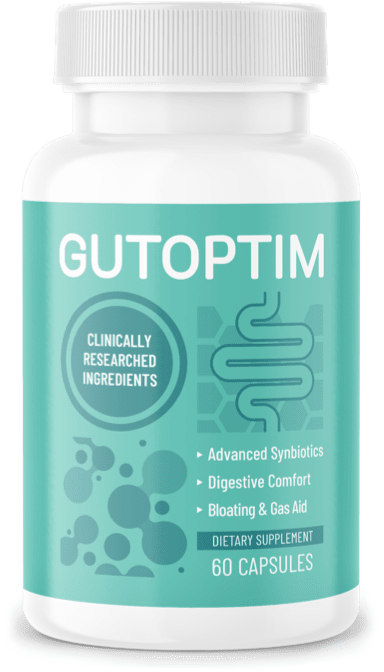
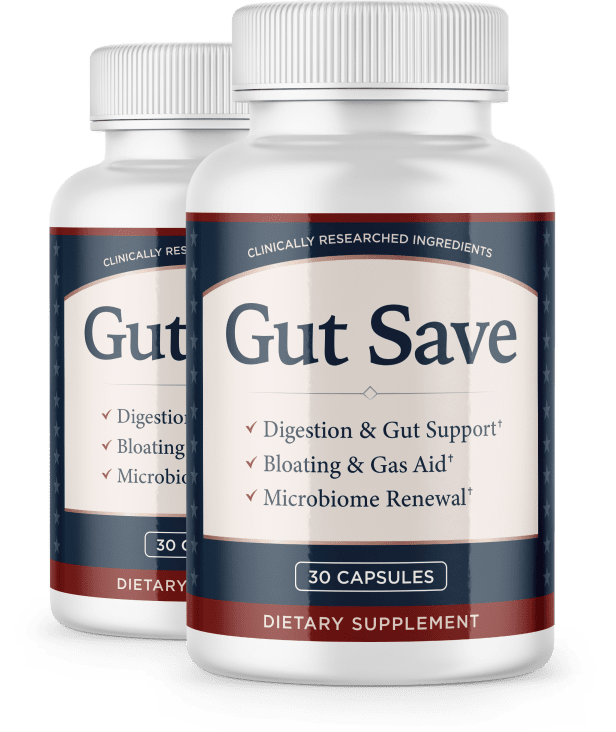
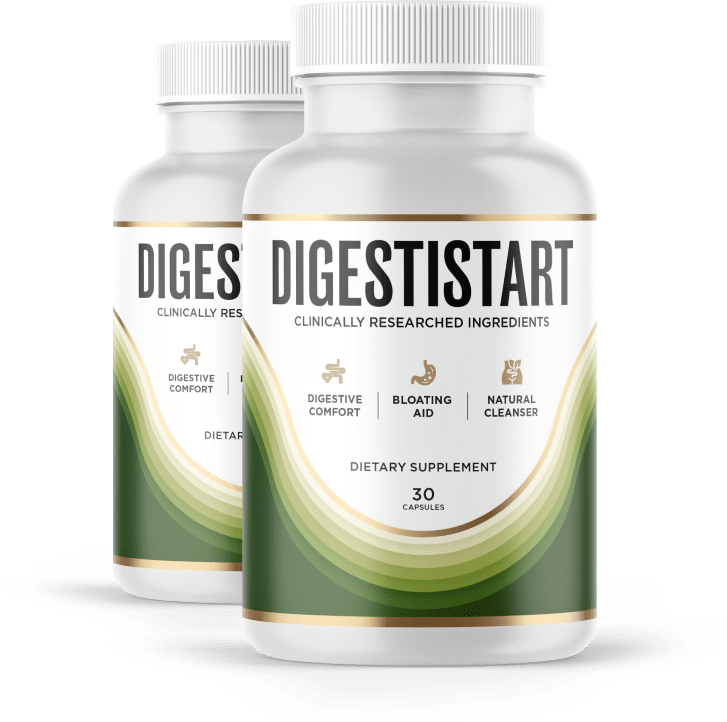
Each card links to the official site and to our label check. Side by side: Gut Save vs DigestiStart vs GutOptim.
GutOptim
Fiber, clay, aloe and one probiotic in a 1.5 g blend
Serving2 capsules a day
Cost per day$1.63–$2.30
Every dose shownNo
Full ingredient list, but the whole blend is a fraction of the fiber doses used in studies.
Check price on the official site
Read the label check
Gut Save
Fish collagen, herbs and probiotics, 500 mg with every dose listed
Serving1 capsule a day
Cost per day$1.63–$2.63
Every dose shownYes
The most open label of the three, with small amounts of each ingredient.
Check price on the official site
Read the label check
DigestiStart
11 traditional Chinese herbs in a 500 mg blend
Serving1 capsule a day
Cost per day$1.63–$2.63
Every dose shownNo
A herbal tonic blend, about 45 mg per herb, with mostly lab and animal studies behind it.
Check price on the official site
Read the label check
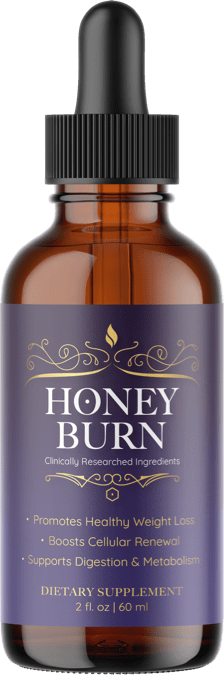
HoneyBurn
Honey, bee products, herbs and berberine in a 550 mg blend
Serving2 ml liquid a day
Cost per day$1.63–$2.30
Every dose shownNo
Berberine is listed last, so a serving holds about 4 mg of it at most.
Check price on the official site
Read the label check
Sources
- Chang L. et al. AGA–ACG Clinical Practice Guideline: Pharmacological Management of Chronic Idiopathic Constipation, 2023. PMC10542656
- Garzon Mora N., Jaramillo A.P. Effectiveness of Probiotics in Patients With Constipation: A Systematic Review and Meta-Analysis. Cureus, 2024;16(1):e52013. PMC10854359
- Riezzo G. et al. Lactobacillus reuteri DSM 17938 in functional constipation: randomised double-blind placebo-controlled trial. Beneficial Microbes, 2018. doi:10.3920/bm2017.0049
- Psyllium overview and study doses: Examine.com: Psyllium
- NIH Office of Dietary Supplements. Probiotics: Fact Sheet for Health Professionals. ods.od.nih.gov