Home › Articles
Psyllium Husk: How Much to Take, and What It Really Costs vs Metamucil and Gut Capsules
By the Gut Label Check team. Updated October 16, 2026. 4 min read
Disclosure: some pages on this site contain affiliate links. This article is general information, not medical advice.
Psyllium is the most studied fiber supplement for constipation, and the cheapest way to get it is often the plainest. Here is the dose used in studies, how to take it without trouble, and what a gram of fiber actually costs in three very different products.
See a doctor before using any laxative or fiber supplement if you have: blood in your stool, unexplained weight loss, severe or persistent abdominal pain, trouble swallowing, or a new change in bowel habits after age 45. OTC psyllium labels also say to stop and ask a doctor if constipation lasts more than 7 days.
What psyllium is and why it helps
Psyllium husk comes from the seeds of Plantago ovata. It is mostly soluble fiber. In the gut it absorbs water and swells into a soft gel, which makes stool bulkier and easier to pass. MedlinePlus classifies it as a bulk-forming laxative.
For chronic constipation, the 2023 guideline from the American Gastroenterological Association and the American College of Gastroenterology gives fiber supplements a conditional recommendation: there is evidence of benefit, but it is not strong. Psyllium is the fiber with the most trials behind it.
How much to take
Constipation studies and clinical guidance typically use about 7–10 g of psyllium a day or more, split into one to three doses. For scale, one level tablespoon of a plain psyllium powder we checked holds 7 g of fiber.
- Start low. Begin with one small serving a day and increase over one to two weeks. Gas and bloating are common at first and usually settle.
- Always take it with liquid: at least 8 oz (240 ml) per dose, and drink well through the day. Psyllium taken without enough liquid can cause choking.
- Space it from medicines. Metamucil’s label says to take it at least 2 hours before or after medicines. MedlinePlus lists digoxin, aspirin-type salicylates and nitrofurantoin as drugs to keep 3 hours apart from psyllium.
- Don’t breathe in the powder while mixing. It can trigger allergic reactions in sensitive people.
MedlinePlus advises not to take psyllium as a laxative for longer than a week unless your doctor tells you to. If you want to use it every day for chronic constipation, agree on it with your doctor.
What a gram of fiber really costs
We took three products and worked out the price per gram of fiber from each label. Prices are from Vitacost on October 16, 2026, and GutOptim’s official site on October 15, 2026.
| Product | Price and size | Fiber per serving | Price per gram of fiber | Cost of 7 g of fiber a day |
|---|
| NOW Foods Psyllium Husk Powder (plain) | $21.31 for 680 g, about 76 servings | 7 g per level tablespoon (9 g) | $0.04 | $0.28 |
| Metamucil 4-in-1, Sugar-Free Orange | $23.10 for 425 g, about 72 servings | 3 g per rounded teaspoon (5.8 g) | $0.11 | $0.75 |
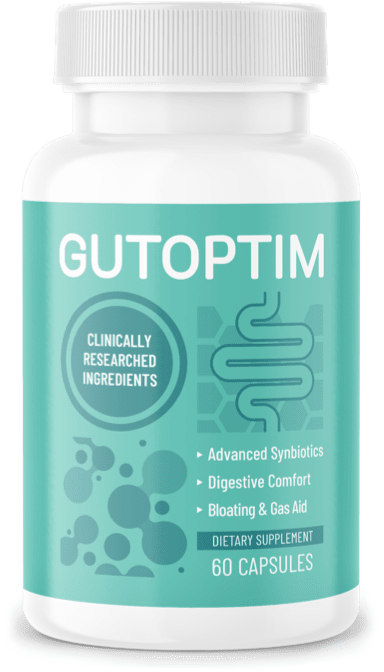
| GutOptim (gut health capsule) | $49–$69 per bottle, 30 servings | 1.5 g blend per 2 capsules; the fiber share isn’t disclosed | at least $1.09 | at least $7.61, about 10 capsules |
How we calculated: plain psyllium 680 g ÷ 9 g × 7 g = about 529 g of fiber, so $21.31 ÷ 529 g = $0.04 per gram. Metamucil 72 servings × 3 g = 216 g of fiber, so $23.10 ÷ 216 g = $0.11. GutOptim: $1.63 a day in the cheapest bundle ÷ 1.5 g = $1.09 per gram, even if every milligram of the blend were fiber.
What this means: per gram of fiber, Metamucil cost about 2.7 times more than plain psyllium in our check, and the gut capsule at least 27 times more. You pay Metamucil for the flavor and the smooth texture. The capsule’s price buys a blend whose total amount is a fraction of the fiber doses used in studies. Read our GutOptim review for the full label.
Prices change. Retail prices move often and vary between stores. The method stays the same: divide the price by the total grams of fiber in the container, using the “dietary fiber” line on the label.
Powder, capsules or a branded product?
- Plain powder is the cheapest per gram. It has no taste of its own, but it thickens quickly, so drink it right after mixing.
- Branded powders such as Metamucil mix more smoothly and come flavored. The sugar-free version contains aspartame and carries a phenylalanine warning for people with phenylketonuria.
- Capsules contain the same fiber, but each holds well under a gram, so a studied dose takes many capsules a day. They suit people who can’t stand the texture, at a higher price per gram.
Questions people ask
How much psyllium husk should I take a day?
Studies typically use about 7–10 g a day or more, split into doses with plenty of water. Start lower, build up over one to two weeks, and follow your product’s label.
Is Metamucil the same as psyllium husk?
Its main ingredient is psyllium husk, with added flavors and, in the sugar-free version, aspartame. In our check it cost about 2.7 times more per gram of fiber than plain psyllium powder.
When is the best time to take psyllium?
There is no single best time. What matters is taking it with enough liquid, keeping it at least 2 hours away from medicines, and being consistent.
Can psyllium make bloating worse?
At first, yes: gas and bloating are common side effects when you start. Starting low and increasing slowly usually helps. If bloating is severe or comes with pain, see a doctor.
Gut supplements we checked
If you are comparing ready-made gut capsules, here is what their labels show. Side by side: Gut Save vs DigestiStart vs GutOptim.
GutOptim
Fiber, clay, aloe and one probiotic in a 1.5 g blend
Serving2 capsules a day
Cost per day$1.63–$2.30
Every dose shownNo
Full ingredient list, but the whole blend is a fraction of the fiber doses used in studies.
Check price on the official site
Read the label check
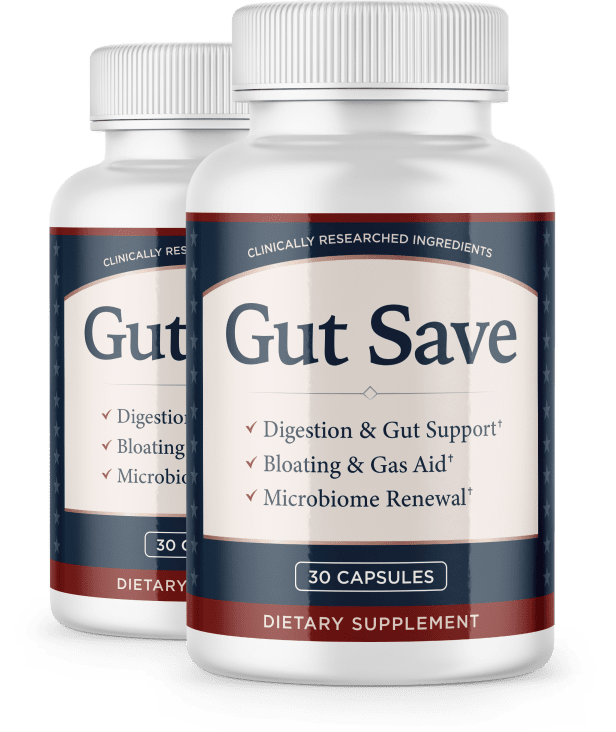
Gut Save
Fish collagen, herbs and probiotics, 500 mg with every dose listed
Serving1 capsule a day
Cost per day$1.63–$2.63
Every dose shownYes
The most open label of the three, with small amounts of each ingredient.
Check price on the official site
Read the label check
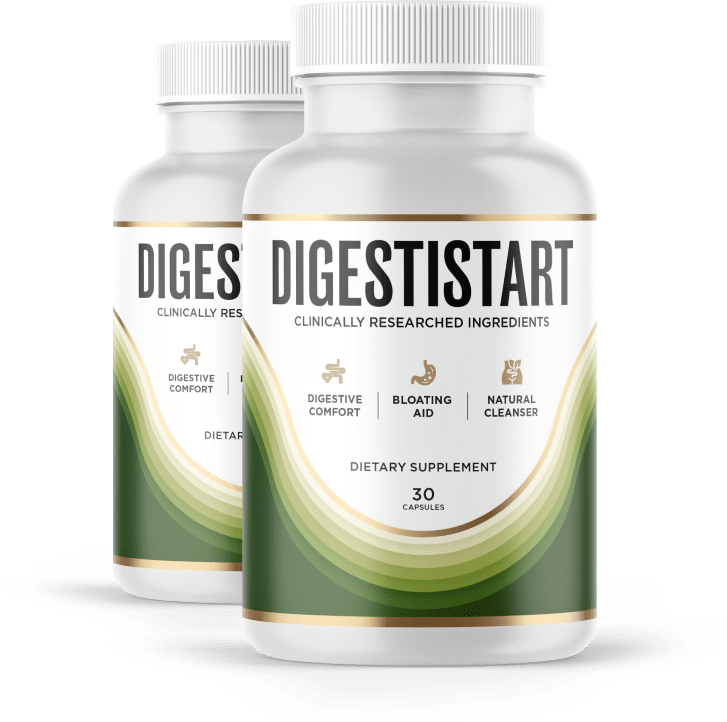
DigestiStart
11 traditional Chinese herbs in a 500 mg blend
Serving1 capsule a day
Cost per day$1.63–$2.63
Every dose shownNo
A herbal tonic blend, about 45 mg per herb, with mostly lab and animal studies behind it.
Check price on the official site
Read the label check
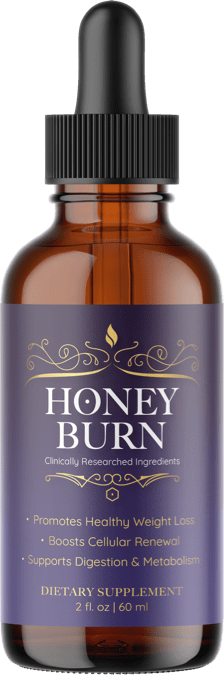
HoneyBurn
Honey, bee products, herbs and berberine in a 550 mg blend
Serving2 ml liquid a day
Cost per day$1.63–$2.30
Every dose shownNo
Berberine is listed last, so a serving holds about 4 mg of it at most.
Check price on the official site
Read the label check
Sources
- MedlinePlus (U.S. National Library of Medicine). Psyllium. medlineplus.gov
- Chang L. et al. AGA–ACG Clinical Practice Guideline: Pharmacological Management of Chronic Idiopathic Constipation, 2023. PMC10542656
- NOW Foods Psyllium Husk Powder, 24 oz (680 g): label and price. vitacost.com, checked October 16, 2026.
- Metamucil 4-in-1 Fiber, Orange, Sugar-Free, 15 oz (425 g): label, warnings and price. vitacost.com, checked October 16, 2026.
- GutOptim official site: Supplement Facts label and prices, checked October 15, 2026. Details in our GutOptim review.
- Psyllium overview and doses used in studies: Examine.com: Psyllium